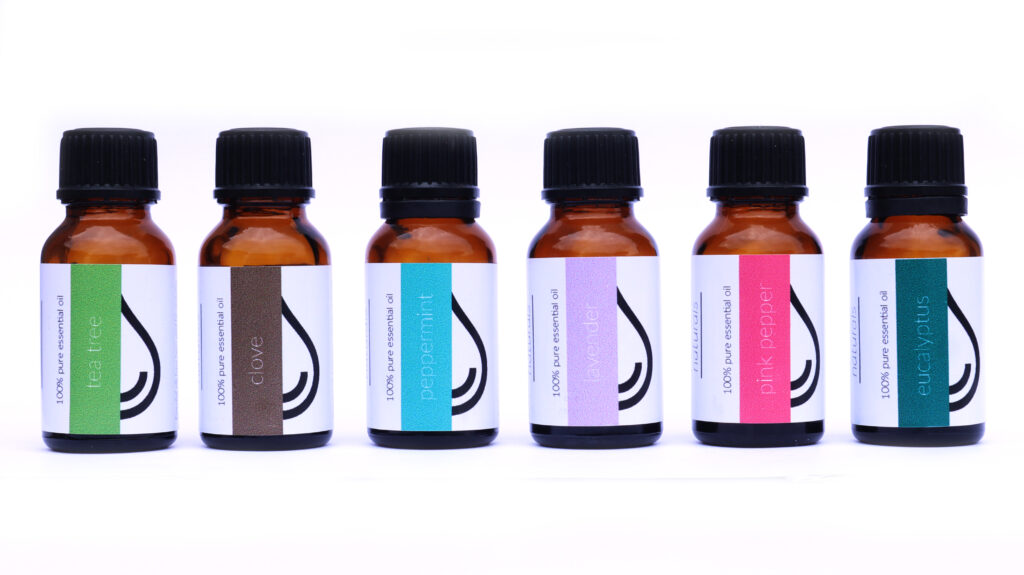
Essential oils are compounds extracted from plants.The oils capture the plant’s scent and flavor, or
“essence.” Unique aromatic compounds give each essential oil its characteristic essence. Essential oils are
obtained through distillation (via steam and/or water) or mechanical methods, such as cold pressing. Once
the aromatic chemicals have been extracted, they are combined with a carrier oil to create a product
that’s ready for use. The way the oils are made is important, as essential oils obtained through chemical
processes are not considered true essential oils.
How they work
Essential oils are most commonly used in the practice of aromatherapy, in which they are inhaled through
various methods. Essential oils are not meant to be swallowed. The chemicals in essential oils can interact
with your body in several ways.
Inhaling the aromas from essential oils can stimulate areas of your limbic system, which is a part of your
brain that plays a role in emotions, behaviors, sense of smell, and long-term memory. Interestingly, the
limbic system is heavily involved in forming memories. This can partly explain why familiar smells can trigger memories or emotions. The limbic system also plays a role in controlling several unconscious
physiological functions, such as breathing, heart rate, and blood pressure. As such, some people claim that
essential oils can exert a physical effect on your body.
How to Use Essential Oils
The safest ways to use essential oils include:
Aromatherapy accessories: Necklaces, bracelets and keychains made with absorbent materials you apply
essential oils to and sniff throughout the day.
Body oil: A mixture of essential oils with a carrier oil such as olive, jojoba or coconut oil that can be
massaged into skin. Because essential oils are concentrated, they can cause irritation. Avoid using them
full-strength on skin.
Aroma stick: Also called an essential oil inhaler, these portable plastic sticks have an absorbent wick that
soaks up essential oil. They come with a cover to keep the scent under wraps until you’re ready.
When using a diffuser, be sure to consider others in your environment who might be inhaling the aroma,
including pregnant women, children, and pets.
How to Choose the Right Essential Oils
Keep the following tips in mind to choose only high-quality oils:
Purity: Find an oil that contains only aromatic plant compounds, without additives or synthetic oils.
Quality: True essential oils are the ones that have been changed the least by the extraction process.
Choose a chemical-free essential oil that has been extracted through distillation or mechanical cold
pressing.
Reputation: Purchase a brand with a reputation for producing high-quality products
Benefits
Peppermint: used to boost energy and aid digestion
Lavender: used to relieve stress
Rose: used to improve mood and reduce anxiety
Tea Tree: used to fight infections and boost immunity
Lemon: used to aid digestion, mood, headaches, and more
Eucalyptus: used to clear congested airway and relieve allergies
Tea tree: powerful antibacterial, treats acne, deodorant, hair line restoration
Pink pepper: boosts mood, relieves pain and respiratory relief
Experience the benefits of essential oils by ordering a couple of bottles from our vast collection. Place an
order through our website or call/ whatsapp at +254 784 283289 or through our social media
platforms @mugziesnaturals
Remember to #keepslaying